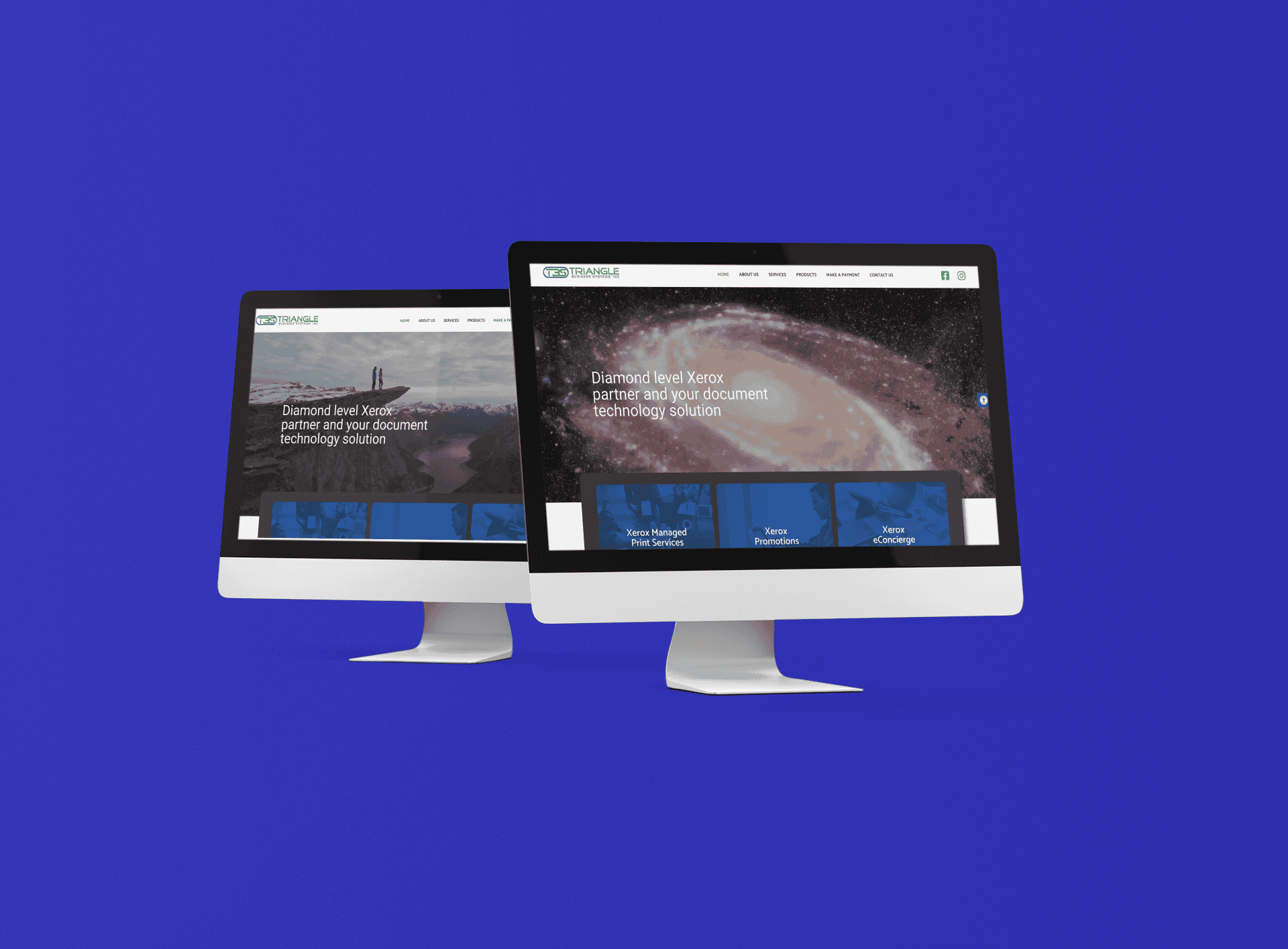


Proven Track Record of Success
A digital marketing agency’s reputation and success in driving ROI for businesses can be gauged by reviewing case studies, client testimonials, and online reviews. This is crucial in determining whether the agency can deliver results for your business.
Comprehensive Range of Services and Expertise
It’s essential to choose an agency that offers a wide range of digital marketing services, including SEO, PPC, social media marketing, content marketing, and more. This ensures that the agency can meet the diverse needs of your business. Additionally, the agency’s level of communication and transparency are vital in establishing a collaborative and open relationship.
Strategy and Innovation in the Ever-Evolving Digital Landscape
The agency’s approach to strategy and innovation is critical in staying ahead of the curve in the rapidly changing digital landscape. By evaluating these factors, businesses can select the right digital marketing agency in Orlando, Florida to help them achieve their marketing goals and drive maximum ROI.
Developing a Targeted Digital Marketing Strategy
Developing a targeted digital marketing strategy is essential for businesses to effectively reach and engage their target audience. A targeted strategy involves identifying and understanding the specific demographics, behaviors, and preferences of the target audience to tailor marketing efforts that resonate with them. This can be achieved through market research, data analysis, and customer insights to gain a deep understanding of the target audience’s needs and motivations.
Furthermore, a targeted digital marketing strategy involves selecting the most relevant and effective digital channels to reach the target audience. Whether it’s through social media, email marketing, content marketing, or other digital channels, businesses should strategically choose the platforms that are most frequented by their target audience. Additionally, personalized messaging and content that speaks directly to the target audience’s pain points and interests can significantly enhance the effectiveness of the digital marketing strategy.
Moreover, a targeted strategy also involves setting clear and measurable goals to track the success of the marketing efforts. By defining specific KPIs and objectives, businesses can assess the performance of their digital marketing campaigns and make data-driven adjustments to optimize their strategy for better results. Overall, developing a targeted digital marketing strategy is crucial for businesses to effectively connect with their target audience and drive maximum ROI from their marketing efforts.
Utilizing Social Media and Content Marketing for Maximum ROI

Social media and content marketing are powerful tools that businesses can leverage to maximize their ROI in digital marketing. Social media platforms provide businesses with a direct line of communication to engage with their audience, build brand awareness, and drive traffic to their website. By creating compelling and shareable content on social media, businesses can increase their reach and visibility, ultimately leading to more conversions and sales.
Content marketing also plays a crucial role in driving maximum ROI for businesses. By creating valuable and relevant content that addresses the needs and interests of the target audience, businesses can establish themselves as industry leaders and build trust with their audience. This can lead to higher conversion rates and customer loyalty, ultimately contributing to a higher ROI for the business.
Furthermore, social media and content marketing allow businesses to foster meaningful relationships with their audience through two-way communication and engagement. By actively listening to their audience’s feedback and responding to their inquiries, businesses can build a loyal customer base and drive repeat business. Additionally, social media and content marketing provide valuable data and insights that businesses can use to refine their digital marketing strategy for better results.
Overall, utilizing social media and content marketing is essential for businesses to maximize their ROI in digital marketing and achieve long-term success.
Implementing SEO and PPC Campaigns to Drive Results
| Platform | Engagement Rate | Conversion Rate | Click-Through Rate |
|---|---|---|---|
| 5% | 10% | 3% | |
| 3% | 8% | 2% | |
| 7% | 12% | 4% | |
| 6% | 11% | 3.5% |
Search engine optimization (SEO) and pay-per-click (PPC) campaigns are essential components of a successful digital marketing strategy that can drive significant results for businesses. SEO involves optimizing a website’s content and structure to improve its visibility and ranking on search engine results pages. By implementing SEO best practices, businesses can increase organic traffic to their website, generate leads, and ultimately drive conversions.
On the other hand, PPC campaigns allow businesses to bid on keywords and display ads on search engines and other platforms. This enables businesses to reach their target audience at the right time with highly targeted ads that are relevant to their search queries. By investing in PPC campaigns, businesses can drive immediate traffic to their website, increase brand awareness, and generate leads or sales.
Furthermore, both SEO and PPC campaigns provide valuable data and insights that businesses can use to optimize their digital marketing strategy for better results. By analyzing keyword performance, ad engagement metrics, and conversion rates, businesses can make data-driven decisions to improve their campaigns and maximize their ROI. Additionally, implementing SEO and PPC campaigns together can create a synergistic effect that amplifies the results of both strategies.
By combining organic search visibility with paid advertising efforts, businesses can increase their online presence and capture more opportunities to connect with their target audience. Overall, implementing SEO and PPC campaigns is crucial for businesses to drive significant results and achieve maximum ROI in their digital marketing efforts.
Measuring and Analyzing Digital Marketing Efforts for ROI
Tracking Key Performance Indicators (KPIs)
This involves monitoring key performance indicators (KPIs) such as website traffic, conversion rates, click-through rates, engagement metrics, and more to assess the effectiveness of the marketing efforts. By regularly tracking these KPIs, businesses can gain valuable insights into the performance of their digital marketing campaigns and make data-driven decisions to optimize their strategy for better results.
Leveraging Analytics Tools and A/B Testing
Furthermore, businesses should utilize analytics tools such as Google Analytics, social media insights, and CRM systems to gather data on customer behavior, preferences, and interactions with the brand. This data can provide valuable insights into the customer journey and help businesses understand how different touchpoints contribute to conversions and sales. Moreover, A/B testing and experimentation are valuable methods for measuring and analyzing digital marketing efforts. By testing different variations of ads, landing pages, email subject lines, or other elements of the marketing campaign, businesses can identify which strategies yield the best results and optimize their approach accordingly.
Attribution Modeling and Holistic View
Additionally, attribution modeling is crucial for understanding how different channels contribute to conversions and sales. By assigning credit to various touchpoints along the customer journey, businesses can gain a holistic view of how their digital marketing efforts are driving results. Overall, measuring and analyzing digital marketing efforts is essential for businesses to understand their ROI and make informed decisions about their marketing strategy.
Adapting and Optimizing Digital Marketing Strategy for Continued Success

Adapting and optimizing a digital marketing strategy is crucial for businesses to stay ahead of the competition and continue driving maximum ROI from their marketing efforts. In today’s fast-paced digital landscape, consumer behaviors, technology, and market trends are constantly evolving. As such, businesses must be agile in adapting their strategies to meet changing demands and capitalize on new opportunities.
One way businesses can adapt their digital marketing strategy is by staying informed about industry trends and best practices. By keeping up with the latest developments in digital marketing, businesses can identify new tactics or technologies that can enhance their strategy for better results. Furthermore, data-driven decision-making is essential for optimizing a digital marketing strategy.
By analyzing performance metrics and customer insights, businesses can identify areas for improvement and make informed adjustments to their strategy. Moreover, personalization is becoming increasingly important in digital marketing. Businesses should strive to deliver personalized experiences across all touchpoints to better engage with their audience and drive conversions.
Additionally, testing new ideas and experimenting with different approaches is crucial for optimizing a digital marketing strategy. By continuously testing new tactics or variations of existing strategies, businesses can identify what works best for their audience and refine their approach accordingly. Overall, adapting and optimizing a digital marketing strategy is essential for businesses to achieve continued success and maximize their ROI in an ever-changing digital landscape.
If you’re looking to enhance your digital marketing strategy, you may want to consider the influence of colors on consumer behavior. According to a recent article on Reality Marketing Group’s website, certain colors can have a significant impact on how customers perceive and interact with your brand. By understanding the psychology of color, you can make more informed decisions about your website design, logo, and overall branding strategy. Check out the full article here for more insights.